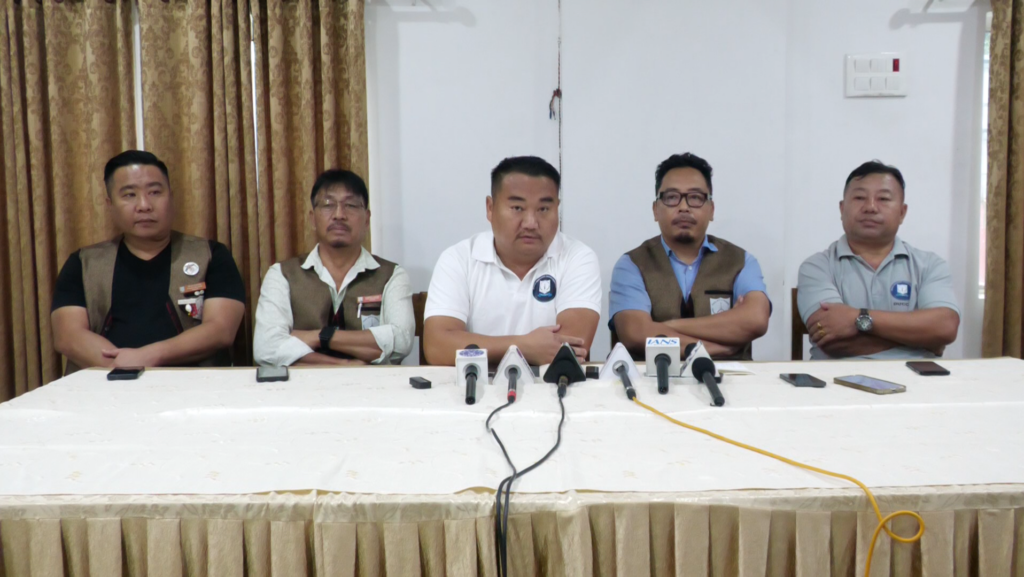
Dimapur, August 12: The Dimapur Urban Council Coordination Forum (DUCCF) has raised three major issues concerning solid waste management, prepaid electricity meters and the Nagaland Liquor Total Prohibition (NLTP) Act, urging the authorities to take concrete steps in the interest of the public.
On solid waste management, DUCCF stressed the need for proper implementation of the Municipal Solid Waste Management Rules, stating that waste management must begin at the grassroots level. DUCCF called for active participation from institutions, ward councils and the 23 ward councillors of Dimapur. It also assured that DUCCF would fully cooperate and support initiatives aimed at improving waste management.
DUCCF appealed to all ward councillors to work together irrespective of political affiliations, stressing that solid waste management is a collective responsibility. It further called on the authorities to issue necessary directions to ensure coordinated action. DUCCF also highlighted the need for stricter management of biomedical waste and urged the Dimapur Municipal Council to take up the matter seriously.
On the issue of prepaid electricity meters, DUCCF said consumers have been facing concerns since the mandatory shift towards prepaid meters began. While the Power Department has maintained that the prepaid system is beneficial, the forum said consumers should be given adequate information and freedom of choice rather than being compelled to adopt the system.
DUCCF recalled that it had submitted three recommendations: installation of prepaid smart meters in institutions, government offices and businesses; improvement of power infrastructure; and avoiding compulsory installation for domestic consumers.
They also raised concerns over the proposed increase in electricity tariffs, questioning the move in view of what it described as poor maintenance and inadequate infrastructure. It urged the department to improve maintenance and provide quality and original materials, including wires and other electrical equipment.
Regarding the NLTP Act, DUCCF said Dimapur continues to face problems related to the sale of alcohol despite the prohibition law. They said that it has already submitted the necessary documents and completed its part regarding its demand for an end to the NLTP Act, but has yet to receive a clear response from the government.
The DUCCF president appreciated the efforts of the Excise Department and the Commissioner of Police in enforcing the law. However, as representatives of colonies and wards, he said they continue to witness the sale of alcohol and described the situation as largely unchanged, alleging that liquor continues to be sold openly or discreetly despite the prohibition.
DUCCF also objected to the increase in the rate of the Residential Solid Waste Fee (RSF) proposed by the Dimapur Municipal Council, reportedly from ₹60 to ₹80 and ₹100. DUCCF urged the DMC to reconsider the proposal carefully, stating that any increase would ultimately place an additional burden on the public.
DUCCF further appealed to the Urban Development Department to look into the matter and ensure that decisions concerning civic services and public charges are taken after considering their impact on the people.
DUCCF maintained that while Dimapur faces numerous challenges, these three issues—solid waste management, prepaid electricity and the NLTP Act—remain among its immediate concerns and require coordinated action from the government, municipal authorities, ward representatives and the public.