VISWEMA, KOHIMA | July 28: In a significant step towards preserving Nagaland’s rich World War II heritage, members of the Nagaland Flatfenders Club (NFC), Dimapur, visited Viswema village under Kohima district, where they explored several historic sites linked to the Japanese occupation during the Battle of Kohima and signed a collaboration agreement with the villagers to promote and preserve the area’s wartime history on 25th July.
The delegation visited the ancestral residence of John Angami, where villagers said Lieutenant General Kotoku Sato, commander of the Imperial Japanese Army’s 31st Division, had temporarily established his office and military base during the Japanese advance in 1944. According to the villagers’ documented oral history, Viswema served as a major strategic staging ground, logistics hub, and supply base for the Japanese Army during the Battle of Kohima.
The villagers shared a detailed historical account, compiled from oral traditions passed down through generations. According to the records, more than 3,000 Japanese and Indian National Army (INA) troops entered Viswema in early April 1944, using the village as a military encampment before advancing towards Kohima. The strategic location of Viswema along the Kohima-Imphal Road made it a vital supply and defensive position.
As the Japanese occupied the village, residents were forced to flee into nearby forests and neighbouring villages such as Jakhama. The villagers narrated that the Japanese established trenches, bunkers and command posts throughout the area while requisitioning food, livestock and labour to sustain their military campaign.
The historical document prepared by the villagers further states that Allied artillery and aerial bombardment intensified after villagers were evacuated on June 11, 1944. On June 14, 1944, Viswema was heavily bombed, reducing more than 600 homes to ashes before the Japanese forces eventually retreated towards Burma.
The villagers also explained that Viswema played a key role in the Japanese wartime economy. According to their records, the village served as one of the centres where Japanese Invasion Money (JIM) was printed, stamped and distributed. The currency, locally remembered as “banana money,” was used by Japanese troops to purchase rice, livestock and supplies from villagers and to pay local labourers who were compelled to transport military equipment through the difficult terrain. However, the currency became worthless after the Japanese withdrawal in 1944.
Among the preserved exhibits was information about “Akraba,” a bunch of water celery which, according to local history, was exchanged for one Japanese rupee, giving rise to its local name, meaning “One Rupee Bunch.”
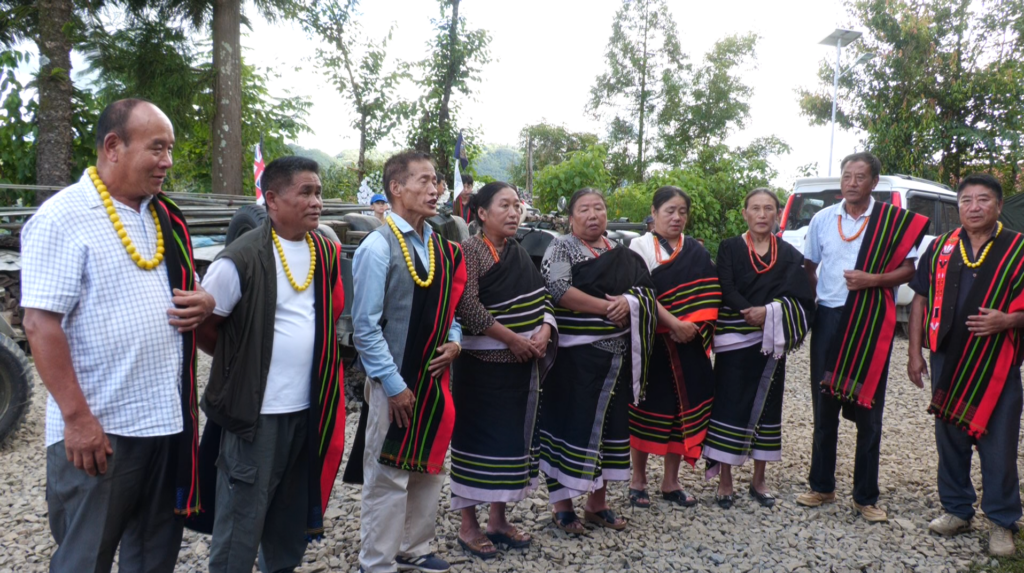
During the programme, villagers performed “Japan Geizo,” a wartime folk song composed by Viswema villagers during World War II. The song recalls the arrival of Japanese troops, the British bombing of Viswema and nearby Mao (Sapu), the fear and displacement of villagers, and the eventual return of peace after the war. Elders said the song has been preserved through generations as a reminder of the hardships their ancestors endured.
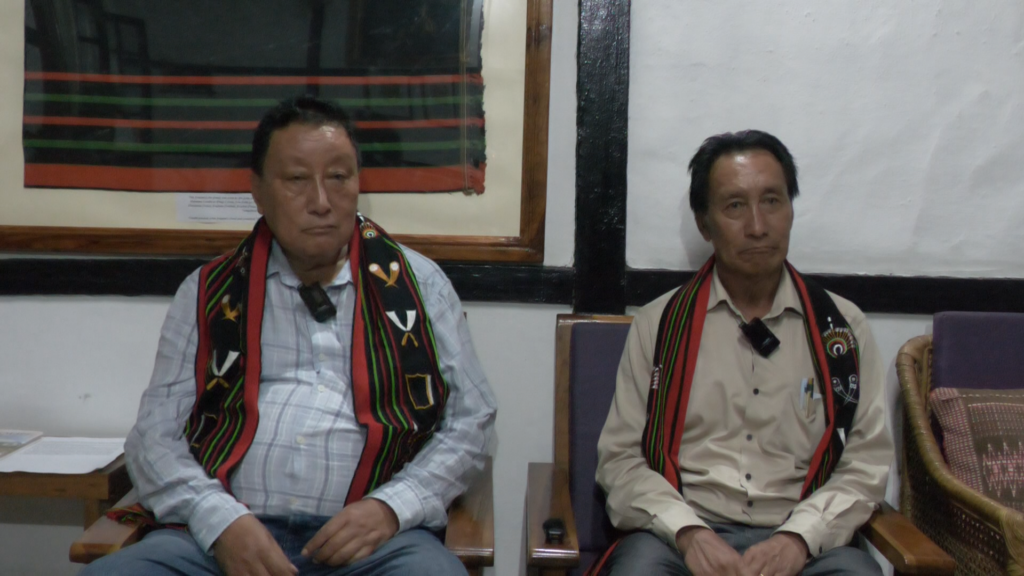
The sons of the late John Angami also spoke to Nagaland News Network, sharing personal accounts of their father’s role during the war. They said John Angami was a young and illiterate man during the conflict but later became one of the eight Naga delegates who travelled to New Delhi to meet Mahatma Gandhi on July 19, 1947. They said he attended the historic meeting wearing his traditional Tenyimi Lohe shawl, which remains carefully preserved by the family.
According to the family, Gandhi touched the shawl and remarked, “If you want to be independent, do it this way.”
The family further recalled that John Angami rescued a woman who had been seriously injured during an aerial bombing by carrying her to a hospital, saving her life. They also shared that British soldiers later taught him how to drive.
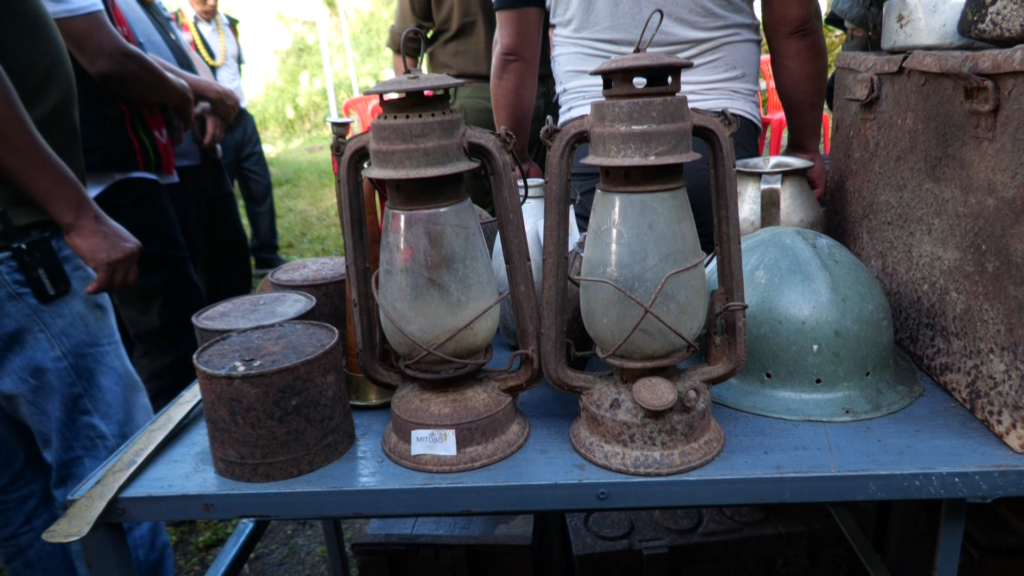
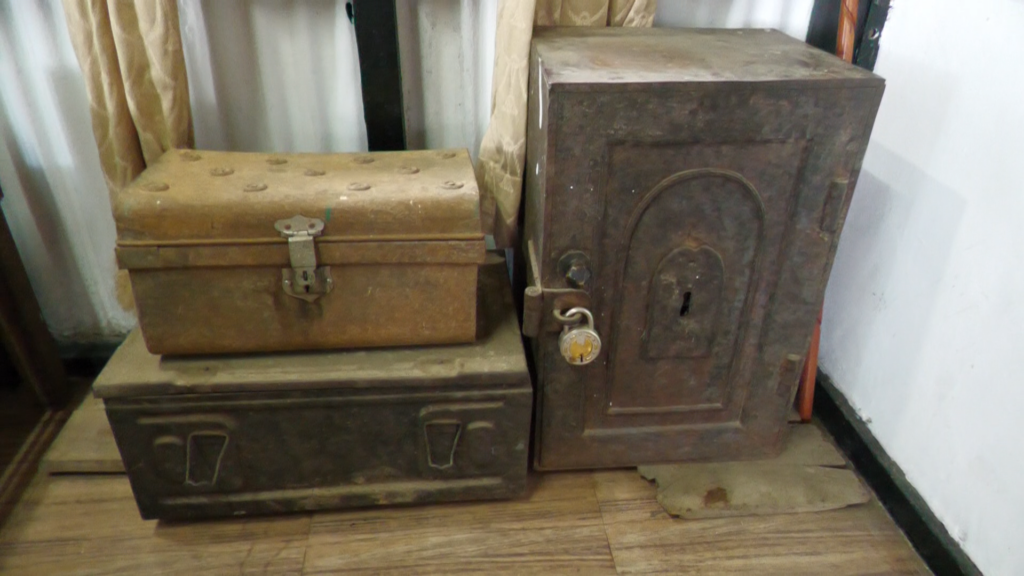
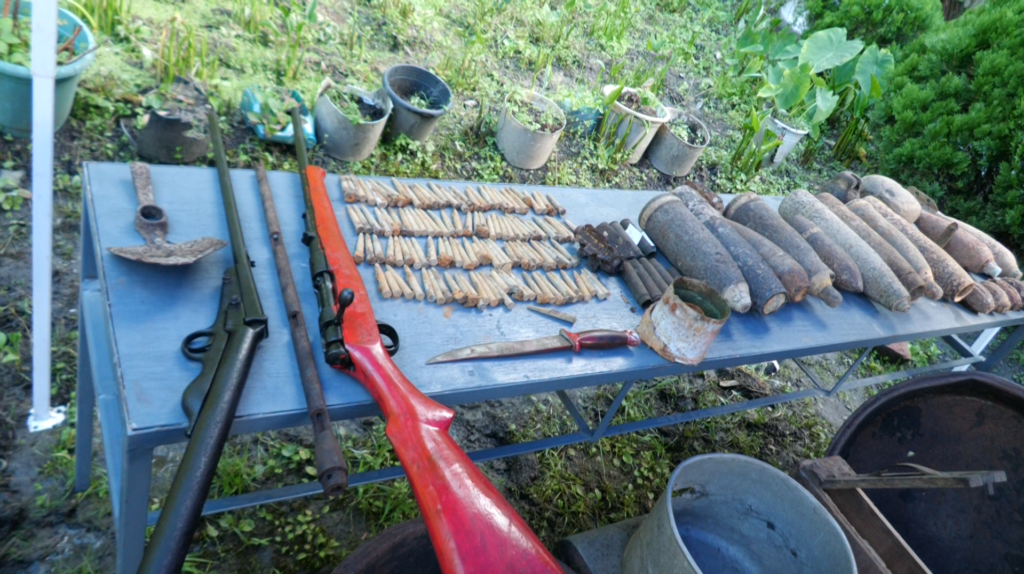
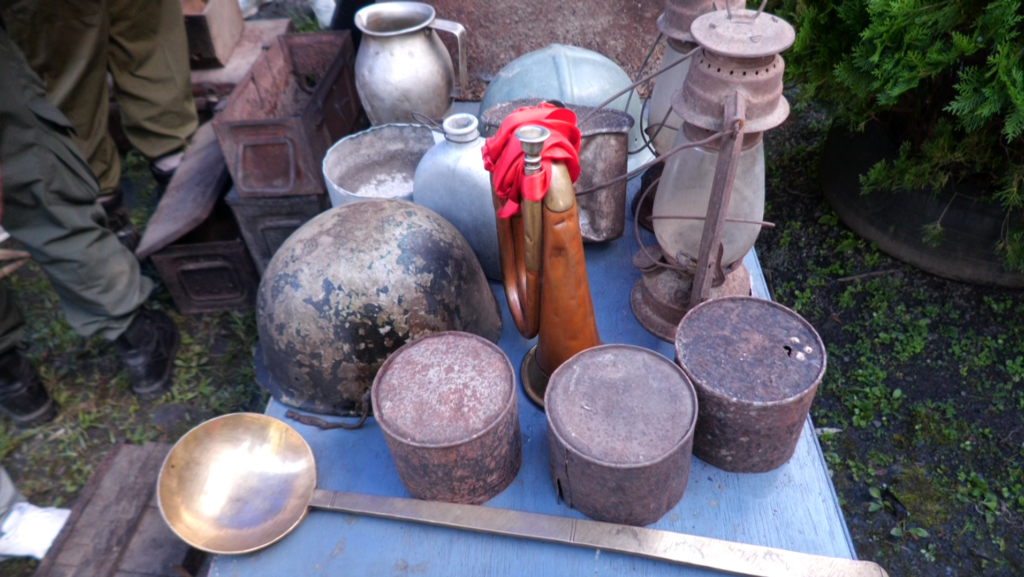
Visitors were shown several preserved wartime sites, including what is believed to have been General Sato’s temporary office at John Angami’s residence, a Japanese water harvesting site, relics, wartime artefacts, and the location where villagers say Japanese military currency was once printed and issued. The villagers also displayed photographs, documents and historical records that have been carefully preserved over the decades.
Speaking during the programme, the President of the Nagaland Flatfenders Club said the club comprises World War II enthusiasts who have gradually realised that while the Battle of Kohima is internationally recognised, neighbouring villages like Viswema played an equally significant role in the campaign and deserve greater recognition.
He said the purpose of the visit was to experience the battlefield from the Japanese perspective, understand why Viswema was selected as a strategic headquarters, and appreciate the realities faced by soldiers and villagers during the war.
He added that NFC hopes to work closely with local custodians, including private collectors preserving wartime relics, to promote Viswema as a heritage tourism destination, especially during events such as the Hornbill Festival and the annual Peace Rally. He emphasised that preserving artefacts, documenting oral histories and promoting historical sites would help future generations understand their heritage and identity.
The villagers welcomed the collaboration, expressing hope that it would bring greater awareness to Viswema’s historical importance, boost heritage tourism and ensure that the stories of the village’s wartime experiences continue to be preserved for generations to come. They also said they look forward to hosting the Nagaland Flatfenders Club again during the Peace Rally later this year as part of the Hornbill Festival celebrations.