DIMAPUR, NOVEMBER 11: In a historic moment for the Naga people, 39 ancestral human remains were formally handed over to a Naga delegation at the Pitt Rivers Museum in Oxford on November 9, marking a major milestone in a six-year-long journey towards repatriation, healing and decolonisation.
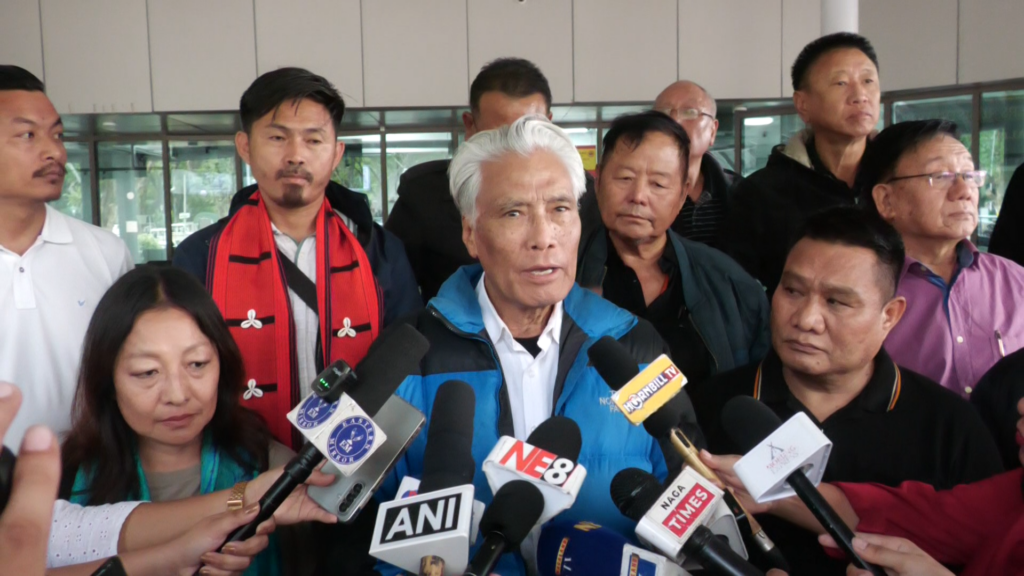
The delegation, comprising representatives of Naga tribal hohos, the Forum for Naga Reconciliation (FNR) and other members, arrived in Nagaland and interacted with the media upon their return.
The repatriation process began in 2020 and culminated in the formal handover of the ancestral remains, which had been kept away from their homeland for more than 100 years.
Dr. Visier Sanyü described the occasion as one of the most significant chapters in the history of healing and reconciliation for the Naga people. He said the journey had been emotionally and spiritually challenging, involving legal, ethical and moral considerations.
After six years of negotiations with the Pitt Rivers Museum, and with the collective support of Naga tribes, the Naga Students’ Federation (NSF) and churches, the delegation was finally able to bring their ancestors home.The remains are yet to arrive in Nagaland, as necessary Standard Operating Procedures and other formalities involving the Government of India and the Government of Nagaland are being worked out.
As this is among the first such repatriation processes in the country, officials said the procedures are expected to take time before the remains can be brought to Nagaland.
Rev. Dr. Ellen Konyak said the repatriation represents the assertion of the Naga people’s right to care for their ancestral human remains, which were taken under duress more than a century ago. She said the process has also provided an opportunity for both the museum and the Naga people to confront their shared histories and reimagine a future based on greater understanding and shared humanity.
A public event is being planned at the designated memorial site at Naga Solidarity Park in Kohima, where the ancestral remains will be given a befitting burial. The event will provide an opportunity for Nagas to come together in mourning, remembrance and celebration, marking what Rev. Dr. Konyak described as a moment of burial, memorial-making, repatriation and healing.
With the guiding spirit of healing and decolonisation, the return of the 39 ancestral remains marks the beginning of a new chapter for the Naga people, allowing their ancestors to finally return to their homeland and rest in peace.